
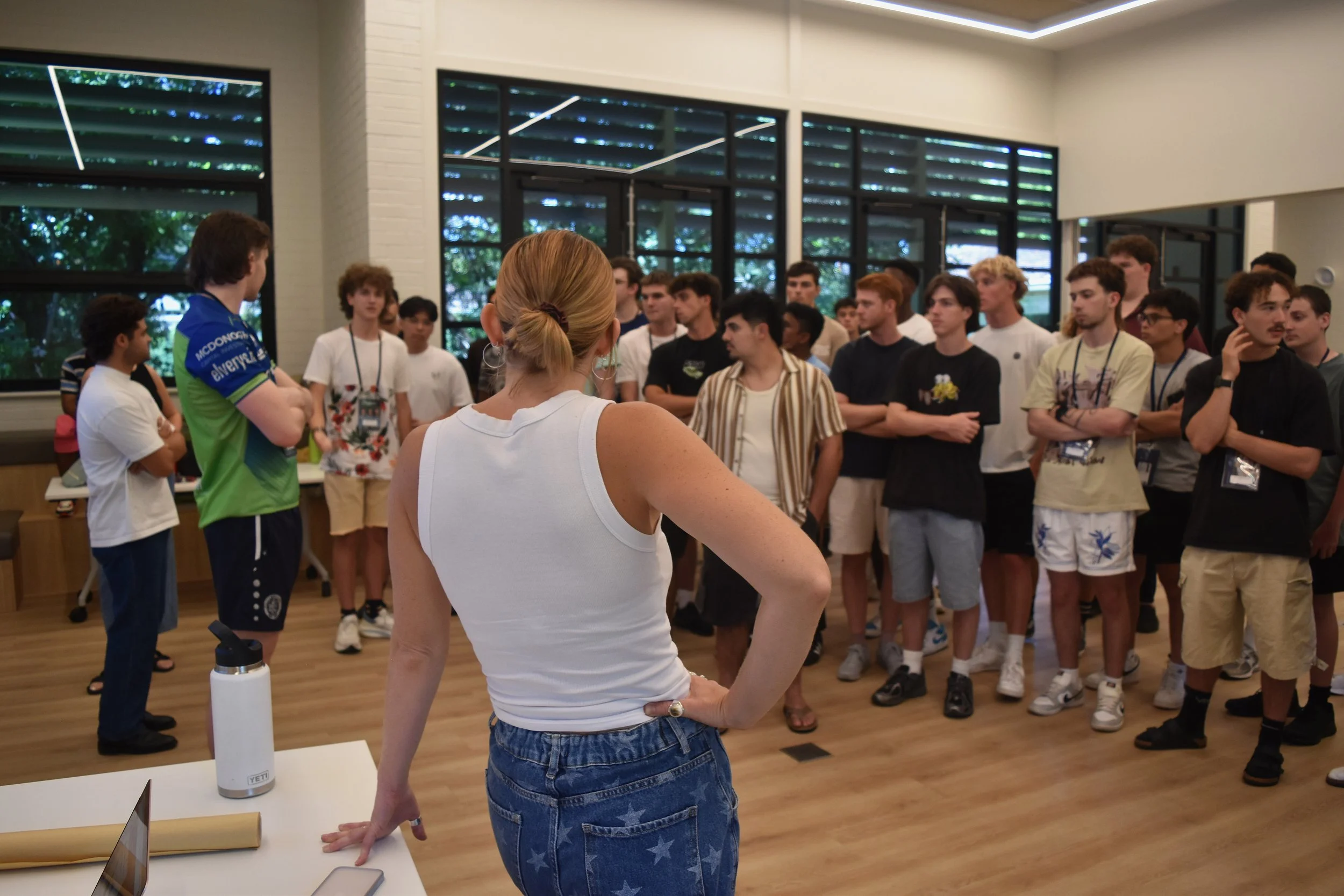
Online Influence: Masculinity, Digital Culture & Bystander Intervention Programs for Perth Schools
The online world is shaping the way young men understand themselves, relationships, and what it means to be a man. This suite of workshops helps male-identifying students think critically about the content they consume - and the values they want to hold.
These sessions are frank, evidence-based, and judgment-free.
We don't lecture. We explore - using real examples, discussion, and practical skills that participants can apply immediately.
Each session can be booked individually - no need to complete the full suite. Sessions are designed to build on each other but work equally well as standalone programs.
Session A - Masculinity & Online Radicalisation
Young men are navigating an online world designed to capture attention and hold it - often by radicalising it. This session helps participants understand how social media algorithms progressively expose users to more extreme content, how the "manosphere" disguises harmful ideologies inside self-improvement messaging, and what healthy masculinity actually looks like. Drawing on the Algorithm Audit activity, participants critically deconstruct real examples of online influencer content to identify manipulative framing, without being lectured at.
-
How fitness, discipline, and financial content is used to embed gender hierarchy and the subordination of women. Participants learn to identify the gap between a message's surface appeal and its underlying ideology, what researchers call "masculinist ideology grounded in rigid hierarchy, essentialism, and individualism." -
How recommendation systems prioritise engagement, outrage, and emotional intensity to progressively expose users to more extreme content. Participants explore the attention economy and why online identity, insecurity, and masculinity narratives are monetised, and what that means for what they see on their phones.
-
A critical, non-judgemental examination of manosphere figures and red/black pill ideologies. Participants use reasoning strategies including reductio ad absurdum to evaluate extreme claims, building cognitive resistance without triggering defensiveness or shame. -
Using examples of male figures who express masculinity in diverse ways, participants reflect on what "being a man" means to them and the influences that have shaped those ideas. The session challenges the perception that misogynistic attitudes are widely admired or socially dominant among peers, they are not.
-
Practical media literacy skills for evaluating online information: identifying manipulative framing, understanding who benefits from certain narratives, and building habits for navigating digital environments critically.
-
Years 9–10: Focus on basic media literacy, peer influence, and recognising persuasive content.
Years 11–12: Extend into algorithmic radicalisation, identity formation, and the role of emotional suppression in online engagement.
-
Haslop et al. (2024); Roberts et al. (2025); Flood & Keddie (2026); Wescott et al. (2024)
Session B - Porn, Relationships & Gender Norms
This session is frank, evidence-based, and judgment-free. It explores how pornography and social media shape expectations around sex, gender, and relationships, and the gap between what young men see online and what healthy, real-world intimacy actually looks like. Using the Script Flip activity, participants compare distorted media representations with respectful alternatives, building relational and emotional literacy without explicit content.
-
Research shows pornography exposure during adolescence can shape sexual scripts, distort expectations around consent and bodies, and contribute to "delay discounting" where short-term gratification is prioritised over long-term relational goals. Participants explore what porn is — and isn't — an accurate guide for, through guided media literacy discussion.
-
How sexualised online content shapes beliefs about bodies, pleasure, and power, and how gender stereotypes are reinforced through media representation. Participants examine where their ideas about what men and women "should" be like come from, and how those ideas affect real relationships.
-
Students compare unhealthy media-influenced relationship scenarios with respectful, communicative alternatives - actively rewriting scripts to reflect mutual respect, consent, and emotional honesty. A structured, non-judgemental approach to building relational capability through peer discussion and role reframing.
-
The role of AI-generated content and deepfakes in image-based abuse, the legal implications of sexting and non-consensual sharing, and key considerations before engaging in digital sexual activity. Participants learn their rights and the reporting pathways available through eSafety.
-
How consent applies online - including the differences from in-person interaction, the impact of missing tone and body language, and what respectful digital behaviour looks like in practice. The session uses realistic scenarios to build participants' confidence navigating these situations.
-
All year groups: Non-judgemental framing throughout. No explicit sexual content.
Years 11–12: Extend into delay discounting theory and its implications for decision-making in relationships.
-
Negash et al. (2016); Štulhofer et al. (2020); UWA Power & Perception Research Project (2026)
Session C - Culture Pyramids, Gender Drivers & Bystander Intervention
This session connects the dots between the small, everyday behaviours participants have been exploring, and the larger systems of harm they sustain. Using the Violence Prevention Pyramid, participants map how normalised "banter" and locker-room jokes sit at the base of a culture that enables gender-based violence. They then build the practical skills to intervene - not by confronting or humiliating peers, but by "calling in" with curiosity, empathy, and allyship.
-
Students construct a Violence Prevention Pyramid - categorising behaviours from low-level disrespect (sexist jokes, dismissive comments, locker-room talk) through to coercion and violence. The activity demonstrates how "small" normalised behaviours contribute to broader systems of harm, and how peer culture either reinforces or disrupts those norms.
-
Exploring how rigid gender stereotypes, expectations around toughness, emotional suppression, dominance, and control, create conditions in which disrespect is normalised and harm is more likely to occur. Participants examine the structural and social forces that perpetuate these norms, and what it costs young men to conform to them.
-
Drawing on primary prevention frameworks, participants explore the attitudes, norms, and systemic factors that drive gender-based violence - including male peer group dynamics, emotional stoicism, and the social currency of dominance. The session challenges the misconception that these attitudes are widely accepted or inevitable.
-
Using the Calling In Lab framework, participants practise structured, non-adversarial intervention strategies for real peer situations. Research consistently shows that shame-based approaches increase resistance in young people - this session focuses instead on curiosity, dialogue, and low-conflict communication. Students leave with scripted phrases and implementation intentions they can actually use.
-
Building the internal motivation to act - exploring why standing up matters, what gets in the way (the bystander gap, social norms that frame harm as "humour"), and how genuine allyship differs from performative bystander behaviour. Participants consider the kind of person they want to be and what role they want to play in their peer community.
-
A practical, evidence-based distinction: calling out confronts, risks backlash, and often entrenches beliefs. Calling in invites dialogue, assumes the best, and creates space for change. Participants practise "calling in" scripts across realistic scenarios - including sport contexts, group chats, and classroom situations relevant to WA boys.
-
Years 9–10: Basic intervention phrases and recognising harm on the pyramid.
Years 11–12: Advanced de-escalation, peer dynamics, and the social psychology of bystander inaction.
Regional WA adaptation: Use sport, farming, and "banter" scenarios without framing regional masculinity negatively.
-
Edwards et al. (2019); Miller et al. (2012); McCook (2022); Brookes (2023); UWA Power & Perception Research Project (2026)